THE COOPER-STEIN MEDICAID DISASTER
Billions in Tax Dollars. Little Oversight. Serious Questions.
Under Governor Roy Cooper, North Carolina expanded Medicaid.
But early cost estimates didn’t match reality.
$10,126 → Initial state estimate
$121M → 2022 SPENDING
$1.1 BILLION → Projected 2027 SPENDING
Taxpayers Deserve Answers About North Carolina’s Exploding Medicaid Costs.
North Carolina taxpayers are watching Medicaid spending explode — and now disturbing reports are raising serious questions about whether taxpayer dollars are being spent responsibly.
A recent New York Times investigation uncovered troubling allegations involving the rapidly growing autism therapy industry in North Carolina. According to the report, some clinics reportedly limit children’s naps to just seven minutes before waking them up so therapy—and Medicaid billing—can continue.
Think about that.
Children exhausted from hours of therapy are reportedly being awakened after seven minutes because clinics can only bill Medicaid while children are actively receiving services.
At the same time, North Carolina’s Medicaid spending on autism therapy has skyrocketed from roughly $121 million in 2022 to a projected $1 billion next year.
Taxpayers support helping children with autism. Families deserve quality care and real support. But taxpayers also deserve accountability.
Instead, the report describes:
private equity firms pouring money into clinic chains,
aggressive expansion across North Carolina,
allegations of excessive therapy hours,
weak state oversight,
and a system where financial incentives may be driving care decisions.
No one is arguing against helping children with autism. But taxpayers have every right to ask tough questions when:
spending increases by hundreds of millions of dollars,
oversight appears weak,
and disturbing stories emerge about clinics maximizing billing opportunities at taxpayer expense.
North Carolina families work too hard to see their tax dollars treated like an unlimited ATM.
Governor Stein is allowing this to go on with little to no oversight. The state must ensure children receive appropriate care—while also protecting taxpayers from waste, abuse, and profit-driven exploitation of Medicaid.
Rapid Growth, Limited Explanation
North Carolina’s Department of Health & Human Services told the Legislature in 2017 that Behavioral Health Treatment for autism would cost $10,126 annually in state dollars. But spending on these services has surged:
$121.7 million
2022
$329.4 million
(an increase of 171%)
2024
$639 million
(an increase of 425%)
Projected 2026
$1.1 BILLION
Projected 2027
This now ranks amount the most expensive services in the entire North Carolina Medicaid program. And spending growth far outpaces autism diagnoses in the state.
Why is spending INCREASING SO RAPIDLY and WHY IS IT RISING faster than diagnosis rates?
A 99% Renewal Rate: Efficiency or Rubber Stamp?
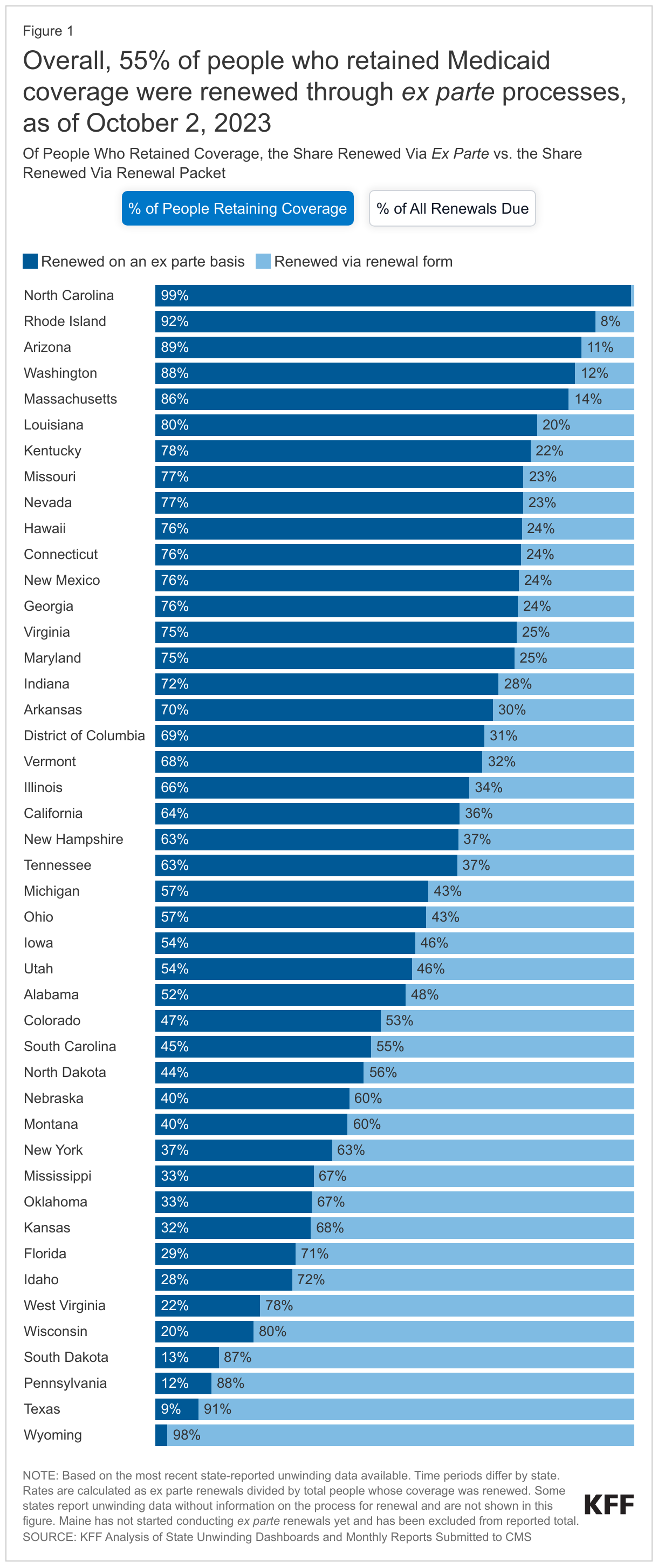
North Carolina posted the highest Medicaid automatic renewal rate in the nation, with 99% of beneficiaries who kept coverage renewed through the ex parte process, according to KFF. Nationally, the average was 55% at the time.
99%
↪ Carolina automatic renewal rate
55%
↪ National average
#1 in America
↪ Highest reported rate
North Carolina also ranked among the states with the lowest disenrollment rates during the Medicaid unwinding period.
How does North Carolina have a 99% renewal rate when the national average is 55%?
Are taxpayers funding coverage for people who no longer qualify?
Authority Without Oversight?
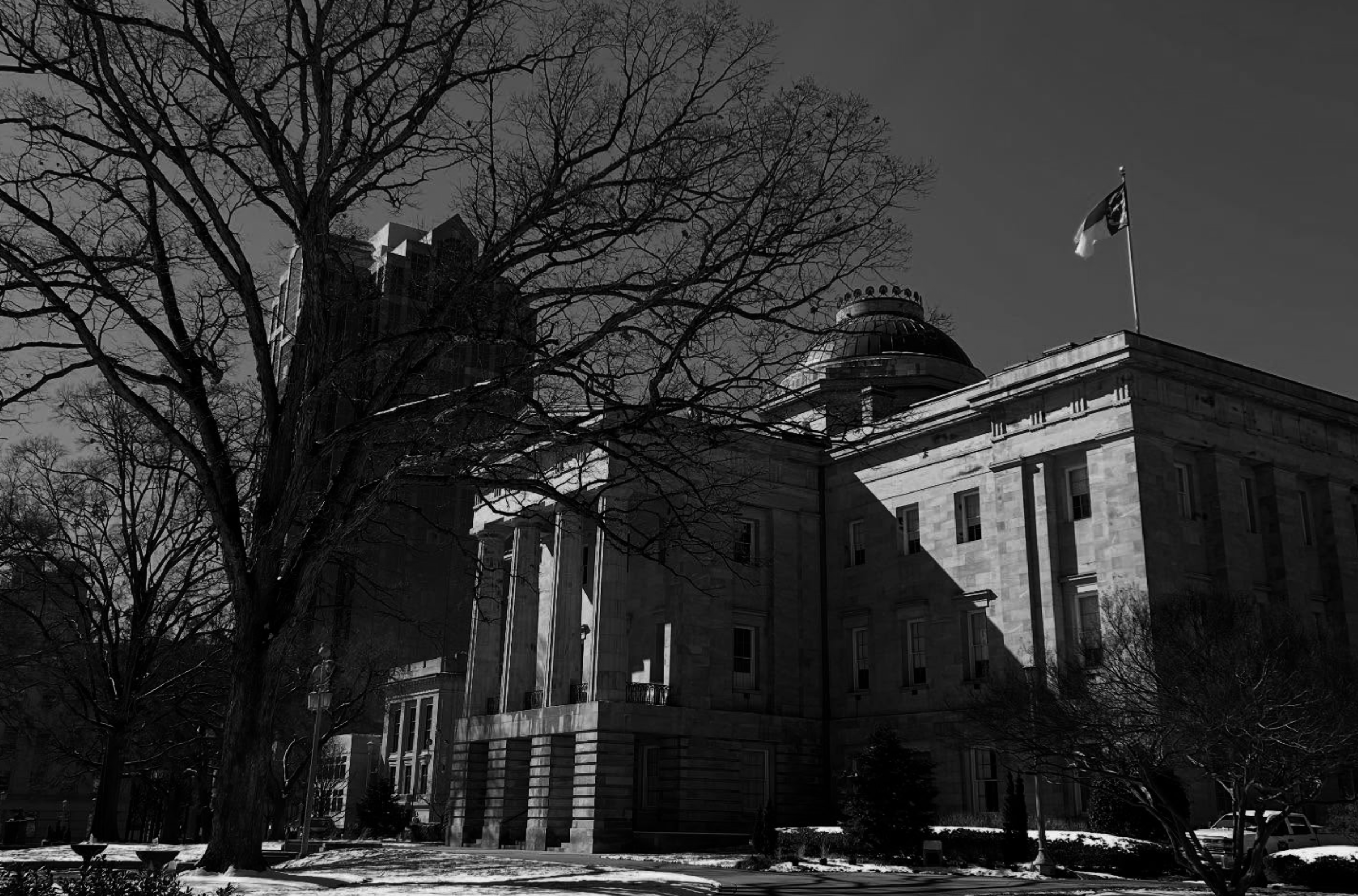
The North Carolina Department of Health and Human Services (NCDHHS) determines:
What services Medicaid covers
How those services are structured
What providers are paid
The North Carolina legislature has zero amount of oversight. They receive the bill, but do not approve spending decisions or amounts in advance.
Should there be stronger oversight of Medicaid coverage decisions and spending?
The Stakes for North Carolina
Medicaid is one of the largest components of the state budget. Rapid and unexplained spending growth can:
Strain taxpayer
resources
Crowd out other
priorities
Undermine confidence
in public programs
Transparency and accountability are essential to ensuring Medicaid serves those who need it—efficiently and responsibly.
What safeguards are in place to prevent waste, abuse, or unnecessary services?
North Carolinians DESERVE ANSWERS
1
Why were initial cost estimates so inaccurate?
2
What authority does the Legislature currently have?
3
Should new checks and balances be considered?
4
What explains the gap between spending growth and diagnosis rates?
5
What auditing systems are in place?
6
How is abuse identified and prevented?